

Looking to register your car in California? This comprehensive guide walks you through every step of the process, ensuring a smooth experience. From understanding the basics of California’s car registration requirements to gathering essential documents for DMV VIN verification, we’ve got you covered. Learn how to prepare your vehicle for inspection and complete the registration application efficiently. Discover the fees involved and receive your official registration papers promptly.
- Understanding the California Car Registration Process
- Gather Required Documents for DMV Vin Verification
- Preparing Your Vehicle for Inspection
- Completing the DMV Registration Application
- Paying Fees and Receiving Your Registration Papers
Understanding the California Car Registration Process

Understanding the California Car Registration Process
In California, registering a car involves several steps that must be completed at the Department of Motor Vehicles (DMV). The process begins with gathering essential documents, including proof of insurance, proof of ownership, and a valid driver’s license. Once these are in hand, the next crucial step is the DMV VIN verification, where the unique vehicle identification number (VIN) is checked against state records to ensure the car’s history aligns with its age and condition. This is a critical phase that helps deter fraud and ensures only legitimate vehicles hit the road.
After successful VIN verification, you can proceed with paying the registration fees. California offers various payment methods, making it convenient for owners. If time is of concern, consider opting for a mobile vin inspection or using a mobile vin verifier service to streamline the process. These services provide on-site verifications, allowing you to register your car promptly without navigating DMV queues.
Gather Required Documents for DMV Vin Verification

To register your car in California, preparing for the DMV vin verification is a crucial step. You’ll need to gather several important documents before heading to the DMV. These include the vehicle’s registration certificate from the previous state, a completed and signed Application for Title and Registration form (Form DMV-123), and proof of insurance. Additionally, you must provide a valid driver’s license or identification card.
For a smoother process, consider using a mobile vin verifier to ensure your vehicle’s VIN (vehicle identification number) is accurate and matches the details in your documents. This step can save time as it verifies the VIN during your visit to the DMV, making the vin inspection more efficient. Remember to bring along any necessary fees for registration and title transfer.
Preparing Your Vehicle for Inspection
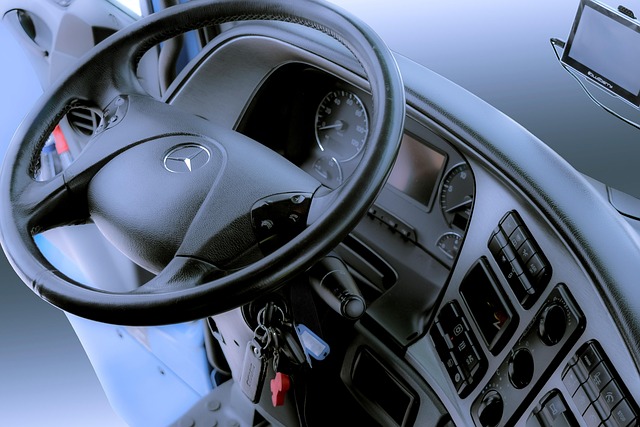
Before scheduling your car’s registration, ensure your vehicle meets all safety and emissions standards set by the California Department of Motor Vehicles (DMV). This includes preparing your car for a vin (vehicle identification number) verification inspection. During this process, a DMV inspector will examine critical components like lights, brakes, tires, and emissions controls to ensure they function correctly.
To streamline the inspection, consider using a mobile vin inspection service or a vin verifier that comes to you. These services offer convenient alternatives to traditional appointments by conducting thorough vin inspections at your location, eliminating the need for an additional trip. This way, you can address any issues found during the vin inspection and ensure your car is ready for registration with minimal hassle.
Completing the DMV Registration Application

To register your car in California, start by obtaining the necessary documents and ensuring your vehicle is eligible. One crucial step is completing the DMV Registration Application, which can be done online or in-person at a local Department of Motor Vehicles (DMV) office. Fill out the form accurately, providing detailed information about your vehicle, including its make, model, year, and unique Vehicle Identification Number (VIN). This process includes a mandatory DMV VIN verification, ensuring the vehicle’s details match the records.
Consider using a mobile vin verifier to streamline this step, as it allows for convenient and quick verification of your VIN. This digital inspection ensures that all information is correct before submitting your application, saving you time and potential headaches later in the registration process.
Paying Fees and Receiving Your Registration Papers

After submitting your application, it’s time to tackle the financial aspects of registering your car in California. You’ll need to pay various fees associated with the process, including a registration fee and a vehicle identification number (VIN) verification fee. The DMV will process your VIN verification using trusted third-party services, such as a mobile vin verifier, to ensure the accuracy of the vehicle’s history. This step is crucial in maintaining California’s stringent safety standards.
Once these fees are paid, you’ll receive your registration papers, also known as the Certificate of Registration and License Plate, via mail. These documents are essential for displaying on your vehicle at all times. They serve as legal proof of your car’s registration status and will be needed for future renewals or if pulled over by law enforcement for inspection.
Registering a car in California is a straightforward process that requires understanding key steps, gathering necessary documents, and completing specific procedures. From ensuring your vehicle passes the DMV VIN verification to filling out applications and paying fees, each phase is designed to maintain safe and legal operation on California’s roads. By following these guidelines diligently, you’ll efficiently navigate the car registration process, securing your vehicle’s legal status in no time.