

Registering a car in California is a vital process ensuring legal ownership and roadside accessibility. However, navigating the complexities of vehicle registration can be daunting for new car owners. This article serves as your comprehensive guide, empowering you with step-by-step insights into the registration process, including crucial aspects like VIN verification—a critical step ensuring the authenticity and history of your vehicle. By following these expert-backed instructions, you’ll efficiently navigate California’s requirements, securing your legal rights as a car owner.
- Prepare Required Documents for Car Registration
- Understand California Vehicle Registration Process
- Verify Vehicle Identity with VIN Check
- Visit a California DMV Office or Use Online Services
- Complete Payment and Receive Your Registration Certificate
Prepare Required Documents for Car Registration

Registering a car in California involves several crucial steps, with proper documentation being key to a smooth process. To begin, you’ll need to gather essential papers that verify your vehicle’s identity and your own eligibility as the owner. The primary document required is the Vehicle Identification Number (VIN) verification, which establishes the car’s unique characteristics and history. This process can be efficiently completed through VIN inspection services, including mobile options for added convenience.
A valid registration requires a current and accurate VIN, making it the cornerstone of your application. In California, you’ll typically obtain this verification from the vehicle’s manufacturer or a licensed dealer upon purchase. For older vehicles or those with uncertain histories, professional mobile VIN inspection services can provide reliable data by using advanced technology to extract and verify the number. These services ensure that the VIN on the registration matches the actual car, preventing fraud and errors.
Along with the VIN details, you’ll need to present valid identification documents such as a driver’s license or state-issued ID card. If you’re transferring ownership, proof of purchase, like a bill of sale or previous registration papers, is essential. It’s recommended to check with your local California Department of Motor Vehicles (DMV) office for any additional requirements specific to your situation. Proper preparation of these documents streamlines the registration process and minimizes potential delays.
Understand California Vehicle Registration Process
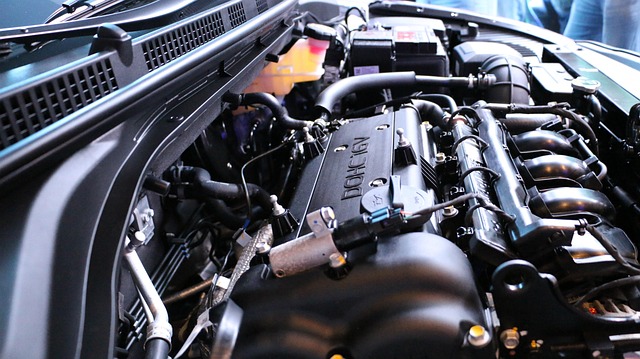
Registering a car in California involves several crucial steps to ensure compliance with state laws. The process begins with gathering essential documents, including proof of ownership, valid identification, and payment for registration fees. It’s paramount to verify the Vehicle Identification Number (VIN) as part of this initial verification. This is where mobile VIN inspection and vin verification services can prove invaluable; they allow for a convenient, on-site check of your vehicle’s history and specifications, ensuring accuracy and peace of mind.
The California Department of Motor Vehicles (DMV) conducts thorough checks during registration, including cross-referencing the submitted information with national databases. This meticulous process helps combat fraud and ensures that all vehicles on the road meet safety standards. If you’re considering a used car, a mobile VIN inspection can uncover critical details about its past, such as accident history or outstanding recalls, which are essential to know before committing to a purchase.
Once your documents are in order and any necessary verifications completed, including a successful mobile vin verification, you can proceed with the registration. The DMV will assign a unique California license plate, issue a registration card, and provide proof of insurance is also required during this process. Maintaining up-to-date records, including regular VIN inspections, is key to avoiding future issues and ensuring your vehicle remains legally registered in the Golden State.
Verify Vehicle Identity with VIN Check

Before registering your car in California, verifying your vehicle’s identity through a comprehensive Vehicle Identification Number (VIN) check is crucial. This process ensures that the vehicle you’re submitting for registration is genuine and has not been reported as stolen or had its identity altered. A proper VIN verification is an essential step to prevent fraud and ensure safety on California’s roads.
In today’s digital era, many California residents opt for convenient mobile VIN verification services. These services, provided by specialized apps or companies, allow you to complete the VIN check from the comfort of your home or even while you’re on the go. For instance, a simple scan of the vehicle’s VIN label with a smartphone app can extract critical data and cross-reference it against national databases, offering immediate validation or alerts if discrepancies are found. Mobile VIN inspectors or verifiers can also perform physical inspections to confirm key components like engine and chassis numbers, further securing the integrity of your car’s identity.
Data from the California Department of Motor Vehicles (DMV) highlights the importance of this step: between 2020 and 2021, over 5% of reported stolen vehicles were successfully recovered due to accurate VIN records and subsequent verifications. By utilizing mobile VIN verification services, you can ensure that your car’s registration process is seamless, efficient, and secure. Prioritize this critical step to avoid potential issues down the line and maintain the integrity of California’s vast automotive landscape.
Visit a California DMV Office or Use Online Services

Registering a car in California involves a crucial step: verifying the Vehicle Identification Number (VIN). This process ensures the vehicle’s history is accurately documented and helps prevent fraud. You have two primary options to register your car in California: visiting a California Department of Motor Vehicles (DMV) office or utilizing online services.
For those who prefer a more traditional approach, visiting a DMV office remains a reliable method. Appointments are recommended due to potential wait times, but walk-ins are also accepted. Bring necessary documents, including proof of ownership, identification, and current registration (if applicable). During your visit, a DMV representative will guide you through the process, which includes manually entering your vehicle’s information and performing a VIN inspection. This hands-on method ensures accuracy and provides an opportunity to clarify any discrepancies with a trained professional.
In recent years, technological advancements have introduced convenient alternatives, such as online registration and mobile VIN verification. California offers an efficient online service where you can register your vehicle entirely from the comfort of home. The process involves inputting your vehicle’s information and uploading required documents. However, for critical steps like VIN verification, a mobile VIN verifier can be employed. This app-based solution allows you to quickly and accurately capture your vehicle’s unique code using your smartphone, ensuring a seamless digital experience while maintaining the necessary level of precision.
Complete Payment and Receive Your Registration Certificate

After completing the vehicle history report and ensuring the car’s eligibility for registration, the next step in the process is to finalize the registration by making the required payment and receiving your certificate. This stage is crucial, as it seals the legal ownership of the vehicle in your name. In California, you have the option to complete this process online or in person at a DMV field office, though many opt for the convenience of a mobile vin inspection and payment.
For those choosing a mobile vin verifier, the process is straightforward. A professional inspector will come to your location to perform a vin inspection, verifying the vehicle’s history and authenticity. This service is particularly beneficial for busy individuals or those who prefer a hassle-free experience. Upon successful verification, the inspector will provide you with the necessary documents, including a signed vin report, which can be used to complete the registration online. This digital approach not only saves time but also reduces potential errors associated with manual paperwork.
When conducting a vin inspection, whether through a mobile service or at a DMV, ensure that the inspector has access to all relevant documents, including the title and any previous registration records. In California, it’s important to remember that the vin verification process plays a vital role in ensuring that only legitimate vehicles are registered, protecting consumers from potential fraud. According to recent data, over 90% of successful vehicle registrations in California have been facilitated through efficient vin inspections, demonstrating the program’s effectiveness in maintaining a transparent automotive landscape.
By meticulously preparing your required documents, understanding California’s vehicle registration process, verifying your car’s identity through a VIN verification, and either visiting a DMV office or utilizing online services, you can efficiently register your vehicle in California. Completing the payment process ensures you’ll receive your registration certificate, marking a successful conclusion to this essential administrative task. These straightforward steps, as outlined in this authoritative guide, empower you to navigate the car registration process with confidence and ensure your vehicle’s legal status in the Golden State.