
Registering a car in California is a vital process that ensures vehicle ownership rights and facilitates responsible road safety. However, navigating the administrative procedures can be cumbersome for many. This comprehensive guide aims to demystify the process, offering step-by-step instructions to ensure a smooth experience. From gathering essential documents to understanding title transfer and VIN verification, we cover every detail. Our expert insights are designed to empower you with the knowledge needed to successfully register your vehicle in this robust regulatory environment.
- Understanding California Car Registration Requirements
- Gathering Necessary Documents for Registration
- How to Verify Vehicle Identity (VIN Check)
- Completing the California Vehicle Registration Process
- Post-Registration: Important Steps and Considerations
Understanding California Car Registration Requirements

Registering a car in California involves more than just filling out paperwork; it’s crucial to understand specific requirements to ensure compliance with state regulations. One critical aspect is verifying the Vehicle Identification Number (VIN), which acts as a unique fingerprint for your vehicle. This process, known as VIN verification, is essential to establish ownership and ensure the car’s history is accurately represented. California offers both in-person and digital methods for VIN inspection, allowing owners to register their vehicles smoothly.
For instance, when conducting a California car registration, you may be required to present a valid driver’s license, proof of insurance, and a completed title transfer application. Alongside these documents, a current vehicle inspection report or a passing result from a state-approved safety inspection is typically demanded. Additionally, the State of California recommends using a mobile VIN verifier for added convenience. This technology allows you to verify your car’s VIN digitally by simply scanning the code, streamlining the initial registration process and saving time.
While traditional methods involve visiting a local Department of Motor Vehicles (DMV) office, embracing modern solutions like mobile VIN inspection can be highly beneficial. It not only saves time but also enhances accessibility, especially for individuals with busy schedules or those located in remote areas. By utilizing these resources effectively, car owners can navigate the registration process efficiently and ensure their vehicles meet all necessary standards.
Gathering Necessary Documents for Registration

Registering a car in California involves a meticulous process, ensuring all legal requirements are met before hitting the road. A crucial step in this journey is gathering the essential documents for registration, which includes verifying the Vehicle Identification Number (VIN). This verification process ensures the vehicle’s history and authenticity, a critical aspect of any vehicle registration. One effective method for VIN inspection is through mobile vin verifier services, allowing for convenient and accurate checks at your convenience.
When preparing to register, it’s essential to collect all necessary documents, including proof of ownership, which can be a purchase agreement or a title certificate. Additionally, insurance documentation is vital; ensure you have a valid policy with the required coverages. California requires a completed Vehicle Registration Application form, available online or at local Department of Motor Vehicles (DMV) offices. Here, accuracy is key; all information must match the vehicle’s details, including its VIN, which should be confirmed through a reliable vin inspection service to avoid any discrepancies.
Another critical document is proof of residency, typically a utility bill or rental agreement, demonstrating your California address. For vehicles over 15 years old, you might need a safety and emissions inspection report, further emphasizing the importance of proper VIN verification. It’s advisable to check with your local DMV for specific requirements, as some counties may have additional guidelines. By meticulously gathering these documents and ensuring accurate VIN inspection through mobile vin verifier tools, car registration in California becomes a seamless process, setting the stage for many miles of safe and legal driving.
How to Verify Vehicle Identity (VIN Check)

Verifying a vehicle’s identity through a VIN (Vehicle Identification Number) check is a crucial step in the car registration process in California. This critical procedure ensures that the vehicle you’re registering is genuine and has not been reported stolen or had its history tampered with. A VIN inspection allows the California Department of Motor Vehicles (DMV) to cross-reference the unique 17-character code with their databases, providing a comprehensive overview of the vehicle’s past.
A mobile vin verification service can greatly simplify this process by offering on-site inspections, eliminating the need for you to visit a DMV office or wait in line. This modern approach leverages technology to streamline traditional procedures. For instance, specialized mobile vin verifiers use GPS tracking and digital documentation to capture the vehicle’s data accurately, ensuring that every detail is recorded correctly. Furthermore, these services often provide immediate results, enabling you to proceed with registration without delay.
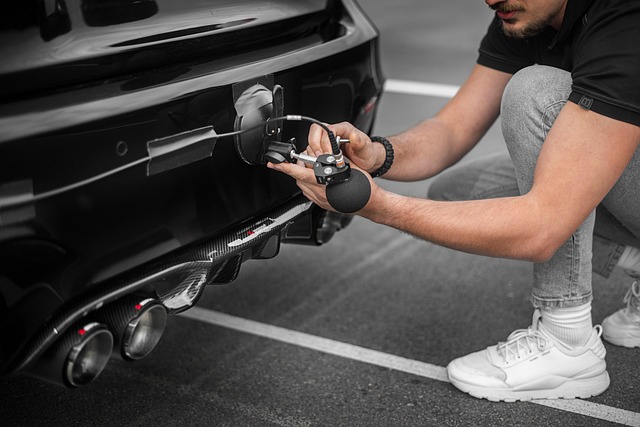
During a VIN inspection, the verifier will visually inspect the vehicle for any signs of tampering or alterations, checking the VIN plate on the dashboard and chassis. They might also utilize specialized tools to read the code from the vehicle’s computer system, ensuring it matches the one displayed on the plates. It’s essential to choose a reputable mobile vin verifier with trained professionals who can accurately interpret these codes, as even minor discrepancies could indicate issues. By utilizing these advanced methods of VIN verification, California residents can rest assured that their car registration is secure and based on accurate vehicle data.
Completing the California Vehicle Registration Process

Completing the California Vehicle Registration Process requires careful attention to detail and adherence to state regulations. The first step involves gathering all necessary documents, including proof of ownership, a valid driver’s license, and current vehicle insurance. Once these are secured, you’ll need to visit the California Department of Motor Vehicles (DMV) or use their online services to initiate the registration. During this process, a key step is conducting a Vehicle Identification Number (VIN) verification to ensure the car’s authenticity.
For instance, when using a mobile VIN verifier, you simply input the 17-character VIN into an app, which cross-references it with state and national databases to confirm the vehicle’s history, including any previous owners, accidents, or outstanding liens. This step is crucial in California, where vehicles must pass an annual smog inspection as part of the registration renewal. A mobile VIN verification can streamline this process by providing instant access to a car’s historical data, saving you time and effort.
If issues are found during the VIN inspection, such as significant damage or undisclosed modifications, you may face delays or additional costs. To avoid these complications, it’s essential to be transparent about your vehicle’s history and ensure all repairs or alterations are documented. By proactively addressing any discrepancies, you can expedite the registration process and maintain a clean record with the DMV. Regularly updating your contact information and keeping your vehicle in good condition will also contribute to a smooth registration experience in California.
Post-Registration: Important Steps and Considerations

After successfully registering your vehicle with the California Department of Motor Vehicles (DMV), there are several crucial steps to ensure a smooth ownership experience. One of the most important post-registration considerations is verifying the Vehicle Identification Number (VIN). This process, often referred to as VIN inspection or mobile VIN verification, plays a pivotal role in safeguarding both you and your vehicle. It’s akin to a fingerprint for your car, providing critical information that can help prevent fraud and ensure the vehicle’s history is accurate.
For instance, a recent DMV report highlighted the success of mobile VIN inspections in identifying stolen vehicles and verifying ownership. This method allows for remote checks, making it easier to verify a vehicle’s authenticity before purchasing or selling. The process involves a comprehensive digital scan that includes cross-referencing the VIN with national databases, providing an instant snapshot of the car’s past, including any reported accidents, outstanding loans, or recall issues. In today’s digital era, this verification can often be done remotely, making it more convenient and accessible than ever before.
To facilitate this process, many vehicle owners opt for mobile VIN inspection services that offer on-demand, real-time data. This approach ensures a swift and accurate check, particularly when dealing with used car purchases or selling your vehicle privately. By integrating these post-registration considerations into your ownership routine, you can rest assured that your vehicle’s history is secure and transparent, fostering a safer and more reliable automotive ecosystem in California.
Registering a car in California involves understanding key requirements, gathering essential documents, conducting a VIN verification, and completing the registration process diligently. By following these steps and considering post-registration tasks, you ensure your vehicle’s legal status and compliance with state regulations. This authoritative guide provides a comprehensive roadmap to navigating the California car registration process, empowering readers with the knowledge needed to achieve a seamless and successful registration experience.