

Looking to register your car in California? This comprehensive guide walks you through the process, ensuring a smooth ride from start to finish. From understanding key requirements to submitting fees, we cover everything you need to know. A crucial step is performing a DMV VIN (Vehicle Identification Number) verification, a straightforward process that ensures your vehicle’s authenticity. By following these steps and gathering the necessary documents, you’ll be on your way to securing your California registration in no time.
- Understand California Car Registration Requirements
- Gather Necessary Documents for Registration
- Perform DMV Vehicle Identification Number (VIN) Verification
- Complete the Registration Application Process
- Submit Fees and Receive Your Registration Papers
Understand California Car Registration Requirements

Before registering your car in California, it’s crucial to understand the state’s specific requirements for vehicle registration and documentation. The California Department of Motor Vehicles (DMV) has stringent rules that ensure road safety and legitimate ownership. One key step is to undergo a DMV VIN verification process, which involves checking the Vehicle Identification Number (VIN) to confirm the car’s authenticity and history. This is typically done by providing the vehicle’s VIN to the DMV, either through an online check or during an in-person inspection.
Additionally, you’ll need to ensure that your car meets environmental and safety standards, has valid insurance, and any liens on the vehicle are addressed. A mobile vin verifier or mobile vin inspection can be a convenient option for those looking to streamline this process, as it allows for on-site verification of a car’s VIN and related information without the need to visit a DMV office.
Gather Necessary Documents for Registration

Before you start the registration process, it’s crucial to gather all the essential documents required by the California Department of Motor Vehicles (DMV). This includes your vehicle’s registration form, proof of insurance, and a valid driver’s license or state ID. Additionally, one of the key steps is to undergo a DMV vin verification process, which involves checking the vehicle’s unique identifier, known as the Vehicle Identification Number (VIN), for any discrepancies.
You can facilitate this process by considering options like a mobile vin inspection or using a vin inspection service, ensuring your car’s history is accurately represented. These services provide convenience and peace of mind, especially when dealing with paperwork and ensuring compliance with California’s strict regulations.
Perform DMV Vehicle Identification Number (VIN) Verification

One crucial step in the car registration process in California is undergoing DMV vehicle identification number (VIN) verification. This involves ensuring that the VIN on your vehicle matches the information on record with the Department of Motor Vehicles (DMV). It’s a critical check to prevent fraud and ensure you’re registering the correct vehicle. You can do this by scheduling a mobile vin inspection, where an inspector comes to your location to perform the verification, or visiting a DMV office for a traditional vin inspection.
During this process, the inspector will cross-reference the VIN with the vehicle’s make, model, and year to confirm its authenticity. This step is often overlooked but is essential in the registration process as it helps to maintain the integrity of California’s vehicle records. Additionally, having a mobile vin verification service can save you time by eliminating the need to visit a DMV office or wait for an inspection appointment.
Complete the Registration Application Process

To complete the registration process for your car in California, you’ll need to follow several steps and ensure all necessary documentation is in order. The first step involves filling out the Registration Application form, which can be obtained from the California Department of Motor Vehicles (DMV) website or picked up at any local DMV office. This form requires detailed information about your vehicle, including its make, model, year, and unique Vehicle Identification Number (VIN).
During the application process, you’ll also need to undergo a DVW VIN verification, which confirms the authenticity of your vehicle’s details. You can do this through various methods, including using an online tool provided by the DMV or even hiring a mobile vin inspection service that comes to your location for a convenient and quick check. Once your VIN is verified, it ensures that your car meets all legal requirements before receiving its registration and license plate.
Submit Fees and Receive Your Registration Papers
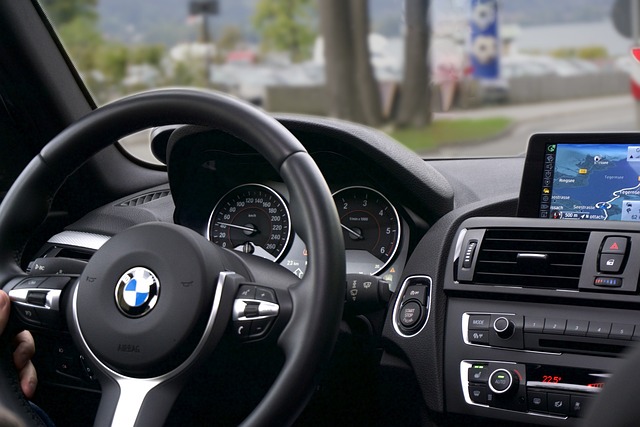
After completing the necessary paperwork and providing all required documentation, it’s time to submit your application and fees. The California DMV will process your request and perform a vehicle identification number (VIN) verification, which is crucial for ensuring the accuracy of your car’s information. This step includes a mobile VIN inspection, where an inspector checks the vehicle’s details against national databases to confirm its history and ensure it complies with all regulations. Once the verification is complete, you will receive your registration papers, officially making your car registered in California.
Make sure to submit all fees associated with the registration process, including any additional charges for late registration or specific vehicle types. The DMV will provide a receipt, and you can track the status of your application online if available, ensuring a smooth and efficient experience throughout the entire process.
Registering a car in California involves understanding specific requirements, gathering essential documents, and completing a structured application process. After performing a DMV VIN verification, which ensures vehicle authenticity, you can submit your application along with necessary fees. Upon approval, you’ll receive your registration papers, marking the official recognition of your vehicle in the Golden State.