

Registering a car in California is a crucial step for any new owner, ensuring legal compliance and ownership protection. However, navigating the process can be confusing, with its unique requirements and paperwork. This comprehensive guide aims to demystify the registration journey, offering expert insights tailored to the Golden State’s regulations. We’ll walk you through each step, emphasizing the significance of accurate documentation and, notably, the role of Vehicle Identification Number (VIN) verification in preventing fraud. By the end, you’ll be equipped with the knowledge to register your vehicle smoothly and securely.
- Prepare Necessary Documents for Car Registration
- Understand California's Vehicle Registration Requirements
- Gather Proof of Insurance and Vehicle Ownership
- Perform VIN Verification: A Crucial Step in the Process
- Submit Application and Complete Registration Formalities
Prepare Necessary Documents for Car Registration

Registering a car in California involves several crucial steps, and one of the most critical is preparing the necessary documents for car registration. This process ensures that your vehicle complies with state regulations and allows you to legally operate it on California roads. Among these documents, the Vehicle Identification Number (VIN) verification stands out as a critical component. A VIN is a unique 17-character identifier that can provide extensive information about a vehicle’s history, making it essential for accurate registration.
To ensure a smooth registration process, gather all relevant paperwork associated with your car. This typically includes the title, registration application form (form DV305), proof of insurance, and identification documents such as a valid driver’s license or state-issued ID card. Additionally, conducting a mobile VIN verification can significantly streamline this process. A mobile VIN verifier can quickly pull up a vehicle’s history on national databases, including any previous owners, maintenance records, and potential issues like odometer rollback. This digital inspection offers convenience and peace of mind, ensuring that your car is safe to register.
An interesting statistic highlights the importance of proper VIN verification: according to recent data, approximately 1 in every 100 cars on US roads has a reported odometer rollback, emphasizing the need for meticulous record-keeping and digital inspections. To facilitate this process, many California Department of Motor Vehicle (DMV) offices now offer mobile services, allowing you to conduct a VIN inspection right at your location using a smartphone app or online platform. This innovative approach not only saves time but also enhances accuracy, making it easier for both vehicle owners and DMV staff. By proactively utilizing these tools, such as mobile VIN verifiers, you can ensure that your car registration process is efficient, secure, and compliant with California’s stringent regulations.
Understand California's Vehicle Registration Requirements

Registering a car in California involves adhering to specific requirements designed to ensure vehicle safety and roadworthiness. Before initiating the registration process, it’s crucial to understand these mandates, beginning with accurate Vehicle Identification Number (VIN) verification. The VIN is a unique code that identifies your car’s make, model, year, and other critical details; its inspection forms the foundation for proper registration. California requires that the VIN on the vehicle match the one listed in the title and registration documents to prevent fraud.
A key aspect of this process involves utilizing reliable VIN inspection tools, such as mobile VIN verifiers. These innovative solutions enable you to conduct a thorough VIN check—a service previously limited to specialized facilities—from virtually anywhere using your smartphone or tablet. Mobile VIN verification offers several advantages: it’s efficient, saving time and effort; convenient, allowing for on-the-go checks; and often more affordable than traditional inspections. For instance, some mobile apps can perform a comprehensive vehicle history report check, including accident records, odometer readings, and ownership histories, all based on the VIN number.
When preparing your car for registration, ensure that any necessary repairs or modifications have been made to meet California’s safety standards. This might include updating brakes, lights, or exhaust systems. Additionally, keep important documents handy, such as proof of insurance, a valid driver’s license, and a completed application form. By combining accurate VIN verification with thorough vehicle inspections and documentation preparation, you’ll be well on your way to successfully registering your car in California.
Gather Proof of Insurance and Vehicle Ownership
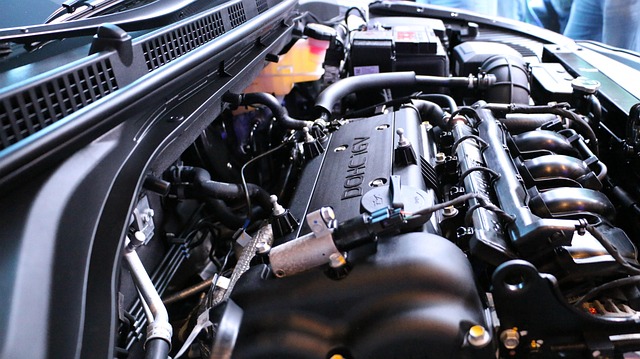
Registering a car in California involves several crucial steps, and one of the critical aspects is proving your vehicle’s ownership and insurance coverage. This process demands meticulous documentation to ensure every detail aligns with your vehicle’s identification number (VIN). The initial step in this verification process is gathering essential papers, particularly those that confirm both ownership and the validity of your auto insurance.
Obtaining a proof of insurance is fundamental during the registration procedure. Your insurance provider will offer you a certificate or policy document outlining your coverage details, including liability, collision, and comprehensive options. This documentation not only validates your compliance with California’s minimum insurance requirements but also serves as a protective measure in case of any vehicular incidents. It’s essential to ensure that the policy is active and covers the specific vehicle’s VIN; thus, requesting a VIN inspection from your insurer or using a mobile VIN verifier can be beneficial. These verifiers scan the VIN and pull up detailed vehicle history reports, confirming both ownership and insurance validity.
Additionally, you’ll require documents proving your vehicle’s ownership. This typically includes the title certificate, which must be in your name. If you’ve recently purchased the car, ensure that the seller provides a clean title, free from any liens or outstanding registrations. In some cases, if the car has been gifted, a bill of sale or gift deed may be required to establish ownership. It’s advisable to check with the California Department of Motor Vehicles (DMV) for specific documentation needs and acceptable forms of proof. They offer comprehensive guides on their website, making it easier to navigate this process.
Perform VIN Verification: A Crucial Step in the Process

The process of registering a car in California involves several crucial steps, and one often overlooked yet critical component is Vehicle Identification Number (VIN) verification. This step acts as a cornerstone for ensuring that your vehicle’s history is accurately represented and matches the information provided by the manufacturer. A proper VIN inspection guarantees that you’re acquiring a safe and legitimate vehicle, protecting both you and the state’s interests.
In California, VIN verification typically involves submitting your vehicle’s details to authorized entities that perform mobile VIN inspections. These services send trained professionals to your location to conduct a thorough check against national databases. This is particularly beneficial in today’s digital age, where vehicle identities can be seamlessly verified without owners having to visit government offices. By employing mobile VIN verifiers, you save time and avoid potential hassles associated with traditional methods.
For instance, consider a scenario where an out-of-state buyer purchases a used car from a private seller. Without proper VIN verification, there’s a risk of fraud or misrepresentation. However, with a mobile VIN inspection, the buyer can rest assured that the vehicle’s history is authentic and free from discrepancies. This is especially critical given California’s stringent safety standards and emissions regulations. By ensuring accurate VIN data, both buyers and sellers can navigate the registration process smoothly, preventing potential delays or rejections.
Submit Application and Complete Registration Formalities

After gathering your essential documents and understanding the fees involved, it’s time to submit your application and complete the registration formalities for your car in California. This step involves several crucial processes that ensure the accuracy of vehicle information and compliance with state regulations. One critical aspect is ensuring proper vin verification to maintain a clear title and avoid potential issues down the line.
When submitting your application, make sure all details are accurate and matched with your vehicle’s unique identification number (VIN). California offers several convenient options for vin inspection, including mobile vin verifier services that can come to you or designated state agencies where you can conduct the check in-person. Online platforms also provide digital vin inspection services, allowing you to verify ownership and history before submitting your application. These steps are essential to prevent fraud and ensure a smooth registration process.
To streamline the procedure, familiarize yourself with the necessary forms and requirements well in advance. Provide all requested information accurately and completely. If any discrepancies or missing data are discovered during the vin verification process, address them promptly to avoid delays. For instance, if your vehicle has been previously registered in another state, ensure that all transfer documents are up-to-date and reflect the current ownership status. By proactively managing these formalities, you can successfully complete the registration of your vehicle without unnecessary complications.
Registering a car in California involves a meticulous process, from gathering essential documents to completing crucial verifications. Key takeaways include preparing necessary paperwork such as proof of insurance and vehicle ownership, understanding state requirements, and undergoing vital VIN verification. By adhering to these steps, residents ensure their vehicles comply with California’s standards, facilitating a seamless registration experience. Moving forward, it is imperative to prioritize thoroughness during each stage, from initial document preparation to final submission, to secure a valid registration and enjoy the full benefits of car ownership in this diverse and vast state.