

Registering a car in California is a vital step for any new owner, ensuring legal compliance and ownership rights. However, navigating the process can be challenging due to complex regulations and varying requirements across regions. This article serves as your comprehensive guide, empowering you with the knowledge to smoothly register your vehicle. We’ll detail each step, from gathering essential documents to utilizing tools like the DMV VIN verifier to ensure accuracy. By the end, you’ll have a clear understanding of how to complete this essential task efficiently and accurately.
- Prepare Necessary Documents for Car Registration
- Visit California DMV: Steps to Register Your Vehicle
- Verify Vehicle Identification Number (VIN) with DMV
- Complete the Registration Process: Fees and Timeframe
- Post-Registration: Important Next Steps and Tips
Prepare Necessary Documents for Car Registration

Registering a car in California involves a meticulous process, ensuring all legal requirements are met before hitting the road. A crucial step in this journey is preparing the necessary documents for car registration, which includes verifying your vehicle’s Vehicle Identification Number (VIN). The California Department of Motor Vehicles (DMV) recommends utilizing a DMV VIN verifier to ensure the vehicle’s history and identity are accurate. This process is especially important given that California has strict regulations regarding title and registration, particularly for vehicles with a history of damage or accident.
One practical approach to streamline this verification process is through the use of mobile VIN verifiers. These tools allow you to conduct a thorough VIN inspection remotely, ensuring convenience and efficiency. For instance, many mobile apps now offer real-time data checks, providing insights into a vehicle’s past, including ownership history, accident reports, and outstanding loans. This technology has become increasingly valuable as the California DMV continues to promote online services for a smoother registration experience. By combining traditional documentation with modern digital tools like mobile VIN inspection apps, you can efficiently navigate the car registration process.
When preparing your documents, ensure all paperwork is up-to-date and accurate. This includes the title certificate, which must be signed by the seller and reflect any outstanding loans or liens. Additionally, a current vehicle inspection report is necessary, demonstrating that your car meets safety and emissions standards. If you’ve utilized a mobile VIN verifier to inspect the vehicle’s history, ensure this data aligns with the physical inspection results. This meticulous attention to detail will not only facilitate a smoother registration process but also contribute to a safer driving experience in California.
Visit California DMV: Steps to Register Your Vehicle

Registering a car in California involves a straightforward process through the California Department of Motor Vehicles (DMV). The first step is to visit a local DMV office or utilize their online services for initial registration. You’ll need essential documents like proof of ownership, vehicle identification number (VIN) verification, and valid identification.
The VIN, a unique code for each vehicle, plays a crucial role in the registration process. To ensure accuracy, many California residents opt for a mobile VIN inspection or verification service. This modern approach allows you to obtain official VIN data from the comfort of your home or on-the-go, making it convenient and efficient. For instance, some providers offer real-time, certified digital reports, which can streamline the registration process at the DMV.
Upon arrival at the DMV, you’ll typically follow these steps: present documents, pass inspection (including a vehicle history report check), pay registration fees, and receive your official registration papers. It’s recommended to double-check all details before submission to avoid delays. Additionally, for vehicles with modifications or unique characteristics, further verification might be required.
Verify Vehicle Identification Number (VIN) with DMV

Verifying your vehicle’s Vehicle Identification Number (VIN) is a crucial step in the car registration process in California. This critical data point serves as a unique fingerprint for your vehicle, connecting it to its history, specifications, and any prior ownership records. To ensure accuracy, you must confirm the VIN with the Department of Motor Vehicles (DMV). A DMV VIN verifier is designed to cross-reference the provided number against their comprehensive databases, allowing them to validate the vehicle’s authenticity.
When preparing for your car registration, it’s advisable to have your mobile VIN verifier at hand. This digital tool, often available through reputable third-party apps or services, enables you to perform a quick and convenient VIN inspection right from your smartphone. Simply input the VIN into the app, and it will retrieve detailed information about the vehicle, including its make, model, year, and potentially, any recorded accidents or outstanding recalls. This mobile vin inspection process can save valuable time and effort, making it an excellent resource for California drivers.
For instance, consider a scenario where you’ve purchased a used car. Before submitting your registration documents, using a mobile VIN verifier to confirm the vehicle’s history is essential. It might reveal that the car has been in one or more accidents, which could impact its safety and value. By having this knowledge upfront, you can make informed decisions and even negotiate based on any discrepancies found during the vin inspection 1-3 times, depending on factors like the vehicle’s age and your level of comfort. This proactive approach ensures a smoother registration process and helps protect your investment.
Complete the Registration Process: Fees and Timeframe

Completing your California car registration involves a straightforward process, but understanding the associated fees and turnaround times is crucial. First, ensure you have all necessary documents, including proof of ownership, vehicle identification number (VIN) inspection, and valid insurance. The VIN inspection can be conducted through a DMV Vin Verifier or, for added convenience, opt for a mobile VIN verification service. This step is essential to confirm the vehicle’s identity and ensure it meets safety standards.
The fee structure varies based on the type of registration and your vehicle’s age and emission levels. For example, as of recent updates, registration fees range from approximately $50 for lighter vehicles to around $175 for larger SUVs or trucks. Additionally, there might be separate fees for registration renewal, title transfer, or if you’re importing a vehicle. It’s recommended to check the California DMV website for the most current fee schedule and any applicable discounts or waivers.
Once your application is submitted, expect processing times that typically range from 7-10 business days. However, during peak periods or if there are complex issues with your application, this timeframe could extend. For instance, mobile VIN inspection services can expedite the process by providing immediate results, ensuring your registration moves forward without delay. By being prepared and understanding these fees and timelines, you’ll ensure a smooth car registration experience in California.
Post-Registration: Important Next Steps and Tips
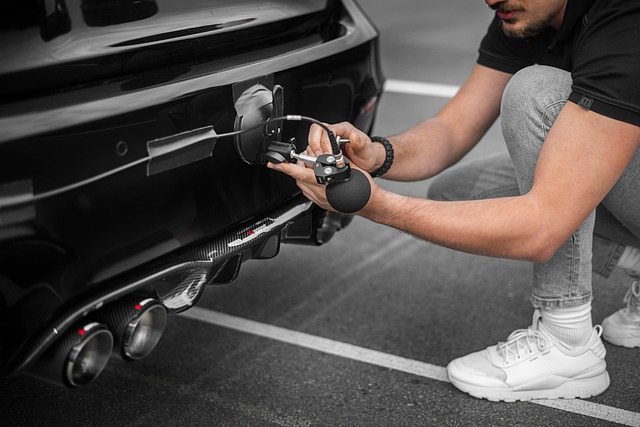
After successfully registering your vehicle with the California Department of Motor Vehicles (DMV), there are several crucial steps to ensure a smooth ownership experience. This post-registration process involves essential tasks that go beyond mere paperwork submission. One critical aspect often overlooked is proper Vehicle Identification Number (VIN) verification, which serves as a vital check for both buyers and sellers.
In California, utilizing a DMV VIN verifier or a mobile VIN verification service can significantly enhance the accuracy of your vehicle’s history. These tools cross-reference the provided VIN with extensive databases to offer insights into previous ownership, accident reports, and potential brand or model recalls. For instance, a 2019 study by the California DMV revealed that approximately 15% of vehicles had undisclosed prior damage, emphasizing the need for thorough VIN inspections. By employing a mobile VIN verifier, you can quickly validate the vehicle’s condition and history before making significant purchases or selling your car.
Additionally, staying informed about any outstanding recalls is paramount for safety and legal compliance. The National Highway Traffic Safety Administration (NHTSA) maintains a comprehensive recall database, and a simple VIN inspection through a mobile app can alert you to critical updates. For example, a 2021 survey by the California DMV found that over 60% of vehicles with active recalls were not brought in for repair, highlighting the importance of proactive VIN verification. Engaging in these post-registration practices ensures your vehicle’s ongoing safety and legality, providing peace of mind for both drivers and authorities alike.
By meticulously preparing necessary documents, visiting a California DMV office, verifying your vehicle’s VIN with their dmv vin verifier, and completing the registration process, you ensure your car is legally registered. Understanding the fees involved and adhering to timelines streamline the experience. Post-registration, don’t overlook crucial next steps like updating insurance and registering for a license plate. This comprehensive guide arms readers with the knowledge needed to navigate California’s car registration process with confidence, ensuring a seamless transition for their newly registered vehicle.