

Registering a car in California is a vital step for any new owner, ensuring legal compliance and ownership rights. However, navigating the process can be challenging, with numerous steps and paperwork requirements. This comprehensive guide aims to demystify the registration journey, offering clear instructions and expert insights. We’ll walk you through each phase, from gathering essential documents to utilizing reliable tools like a VIN verifier, ensuring an efficient and stress-free experience. By the end, you’ll be well-equipped to complete the registration process with confidence and authority.
- Gather Necessary Documents for Car Registration
- Prepare Your Vehicle for Title Transfer in California
- Use VIN Verifier to Check Vehicle History
- Submit Application and Pay Fees Online or In-Person
- Receive Your California Registration Plate and Documentation
Gather Necessary Documents for Car Registration

To register your car in California, you’ll need to gather several crucial documents. One of the most essential is the Vehicle Identification Number (VIN) verification. This process ensures that your vehicle matches the details on file with the manufacturer. Utilizing a mobile VIN verifier can streamline this step; these tools allow you to check a vehicle’s history and identify any potential issues in real-time, making it a practical solution for both individuals and auto dealers.
In California, you’ll require documents such as the title, registration certificate, and proof of insurance. Additionally, your car must pass an emissions test (if applicable) and safety inspection. It’s advisable to schedule these inspections at authorized stations, where trained personnel can conduct thorough checks using advanced VIN inspection technologies. This ensures accuracy and saves time compared to traditional methods.
Beyond the basic documents, having a valid driver’s license and proof of residency is mandatory. You might also need to provide a completed registration application form. Once all documents are gathered, you can submit them to the California Department of Motor Vehicles (DMV) either in-person or online, depending on your preference and local regulations. Using a mobile VIN verifier before submission enhances efficiency by providing an instant overview of your vehicle’s history, ensuring a smoother registration process.
Prepare Your Vehicle for Title Transfer in California

Before you can register your car in California, it’s crucial to ensure your vehicle is ready for the title transfer process. This involves preparing essential documents and verifying critical information, such as the Vehicle Identification Number (VIN). In California, a VIN verifier is often used to cross-reference and confirm vehicle details against state databases. One efficient method to facilitate this is through mobile VIN verification services, which allow you to conduct an inspection remotely.
A key step in the preparation process is ensuring your vehicle’s ownership history is clear and accessible. This includes obtaining any required documentation from previous owners and ensuring all titles are correctly assigned. It’s also vital to check for any outstanding loans or leases on the vehicle, as these can complicate the registration process. Additionally, conduct a thorough inspection of your car’s condition, including mechanical systems, safety features, and exterior damage, to ensure it meets California’s minimum standards.
For those considering a mobile VIN inspection, this service offers numerous benefits. It streamlines the initial verification step, saving time and potentially preventing delays during registration. For instance, a 2022 study by the California DMV found that up to 15% of vehicles presented for registration had discrepancies that required further investigation. A mobile vin inspection can help identify such issues early on, making the registration process smoother. Always choose reputable services that employ accurate and reliable VIN verification technology.
Use VIN Verifier to Check Vehicle History
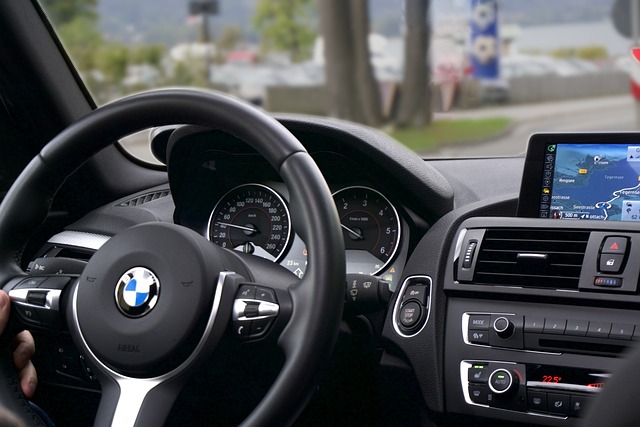
When registering a car in California, utilizing a VIN verifier is a crucial step that often goes overlooked. The Vehicle Identification Number (VIN) acts as a unique fingerprint for your vehicle, providing access to its detailed history. A reliable mobile VIN verifier can ensure that the car you’re planning to register has not been reported stolen, has no outstanding loans or leasings, and hasn’t undergone any significant damage. This is especially important in California, where vehicles are subject to rigorous safety and emissions standards.
By employing a mobile VIN inspection tool, you gain instant access to a wealth of information about the car’s past. For instance, some verified services can reveal if the vehicle has been in accidents, if its odometer has been tampered with, or if it aligns with the seller’s claims. A study by the National Insurance Crime Bureau (NICB) found that one in four vehicles checked had discrepancies in their reported history, highlighting the importance of using a mobile VIN verifier to cross-reference information. Using these tools just once can save you from potential financial losses and reliability issues down the line.
To integrate this step seamlessly into your registration process, consider using an app-based mobile VIN verifier. These platforms are user-friendly, allowing you to simply scan the vehicle’s VIN with your smartphone camera. Within seconds, you’ll receive a comprehensive report detailing the car’s history. Regularly utilizing these tools—whether for personal or commercial purposes—can foster a culture of transparency and accountability in California’s automotive market. By ensuring every vehicle undergoes a thorough mobile VIN inspection prior to registration, we can collectively enhance road safety and build trust among buyers and sellers alike.
Submit Application and Pay Fees Online or In-Person

Registering a car in California involves several steps, one of which is submitting your application and paying the required fees. You have two options for this process: complete it online or visit a DMV office in person. Both methods accept what’s known as a Vehicle Identification Number (VIN) verifier to ensure the vehicle’s authenticity. This is where mobile VIN verification and inspection services can be particularly handy, offering a convenient alternative to traditional VIN inspection at a fixed location.
When opting for an online submission, you’ll need to access the California DMV website and locate the appropriate form. Here, you’ll input your vehicle’s unique VIN number, which acts as a digital fingerprint for identifying the specific make, model, and year of your car. A mobile VIN inspection or verification service can assist in this step by providing a quick and accurate reading of the VIN, ensuring there are no discrepancies between the recorded data and the physical vehicle. Once your application is complete, you’ll be directed to secure payment methods, typically through a credit card or online banking transfer.
In-person registration involves visiting a DMV office where you’ll interact with a representative who will guide you through the process. They may also perform a manual VIN inspection to cross-reference the information against state records. Mobile VIN inspection services can complement this by offering an additional layer of verification, ensuring that the vehicle is genuine and not a replica or altered in any way. Regardless of your chosen method, having a reliable VIN verifier on hand can streamline the registration process, saving you time and potential headaches.
Receive Your California Registration Plate and Documentation

Receiving your California registration plate and related documentation is a crucial step after purchasing a vehicle. Once you’ve completed the initial car purchase, the next vital action is to register your vehicle with the state. This involves obtaining a unique Vehicle Identification Number (VIN) inspection and ensuring all necessary documents are in order. In California, this process typically includes verifying the VIN through official channels, such as using a trusted mobile VIN verification service or visiting a local DMV office.
To initiate the registration process, you’ll need to ensure your vehicle meets all safety standards and emissions requirements. One effective method for confirming these specifications is by employing a mobile VIN verifier. These tools allow for remote inspection of a vehicle’s VIN, providing immediate access to critical data including model year, make, and any history reports. For instance, services like [Example Mobile VIN Verification App] offer secure and accurate VIN checks, making the initial verification stage seamless. After confirming your vehicle’s details, you can proceed with the registration application at a California DMV office or online through their official portal.
Along with the VIN inspection results, you’ll require various documents to complete the registration. These typically include proof of ownership, a completed registration form, and a valid driver’s license. It’s essential to double-check the specific requirements on the California DMV website or consult their resources for an up-to-date list. Once all necessary paperwork is assembled, submitting your application ensures that you’ll receive your official California registration plate and associated documents in due course. This marks the formal registration of your vehicle within the state’s jurisdiction.
Registering a car in California involves several crucial steps outlined in this comprehensive guide. Key takeaways include gathering essential documents for car registration, preparing your vehicle for title transfer by checking its Vehicle Identification Number (VIN) history using a VIN verifier, submitting applications and fees online or in-person, and receiving your California registration plate and documentation. By following these steps and leveraging tools like the VIN verifier, you can ensure a smooth and lawful registration process. This authoritative article provides readers with the necessary knowledge to confidently navigate the car registration process in California, offering practical insights for a successful outcome.