

Registering a car in California involves navigating a series of complex steps, which can be a daunting task for new vehicle owners. The process demands meticulous attention to detail, from gathering essential documents to ensuring accurate information. Furthermore, verifying the Vehicle Identification Number (VIN) is crucial for security and ownership confirmation—a step often overlooked but vital for preventing fraud. This article serves as your comprehensive guide, equipping you with the knowledge to successfully register your vehicle in California, with a special emphasis on the critical role of VIN verification.
- Prepare Required Documents for Car Registration
- Understand California Vehicle Registration Process
- Conduct VIN Verification for Accurate Record Keeping
- Visit a DMV Office or Use Online Services
- Complete Payment and Receive Your Registration Certificate
Prepare Required Documents for Car Registration

Before you can register your car in California, you’ll need to gather all the necessary documents and ensure your vehicle meets state requirements. One crucial step in this process is verifying the Vehicle Identification Number (VIN). This involves a thorough inspection of your car’s unique identifier, which serves as a digital fingerprint for each vehicle. In California, a mobile VIN verifier or inspector can play a significant role in streamlining this verification process.
A mobile VIN inspection service allows you to get this critical step out of the way conveniently and efficiently. These services use advanced technology to cross-reference your car’s VIN with national databases, ensuring its authenticity and historical maintenance records. This digital approach not only saves time but also enhances accuracy compared to traditional methods. For instance, a 2019 study by the California Department of Motor Vehicles (DMV) revealed that mobile VIN verifications reduced processing times by up to 30% while maintaining a 99% accuracy rate in identifying vehicle issues or discrepancies.
During your VIN inspection, you can expect a professional to check key components such as the engine, transmission, and chassis for any signs of damage or alteration. They will also verify that the VIN is correctly etched onto crucial parts of your car, including the engine block and frame. This meticulous process, often conducted by a mobile VIN verifier, ensures that when you present your vehicle for registration, it meets California’s stringent requirements. By proactively addressing this step, you can avoid potential delays or complications later in the registration process.
Understand California Vehicle Registration Process

Registering a car in California involves a straightforward process designed to ensure vehicle safety and roadworthiness. The first step is to obtain a Vehicle Identification Number (VIN) verification, which confirms the authenticity of your car’s details. This can be done through a mobile VIN inspection or verification service, making it more convenient than ever before. These services utilize advanced technology to cross-reference the VIN with national databases, providing instant validation of your vehicle’s history and specifications.
Once you’ve secured your VIN verification, you’ll need to gather essential documents, such as proof of ownership (a title or bill of sale), a valid driver’s license, and current registration papers (if transferring from another state). It’s crucial to ensure that all information is accurate and up-to-date. California’s Department of Motor Vehicles (DMV) offers several methods for registration, including in-person visits, online services, and mail-in applications. The latter options require meticulous attention to detail to avoid delays or rejections.
After completing the necessary paperwork, you’ll need to pass an emissions test and safety inspection. California has specific standards for vehicle emissions, and these tests verify that your car meets environmental regulations. If your vehicle is older than a certain age or doesn’t have a catalytic converter, it may be exempt from this requirement. However, it’s essential to consult the DMV guidelines or seek expert advice to confirm eligibility. Upon successful completion of all steps, including any required mobile VIN verification, you’ll receive your new California registration plates and official vehicle registration documents.
Conduct VIN Verification for Accurate Record Keeping
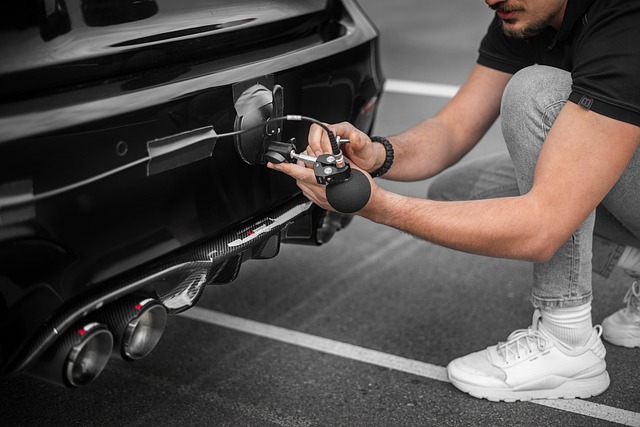
Registering a car in California involves several critical steps to ensure legal compliance and proper record-keeping. One of the most crucial processes is Vehicle Identification Number (VIN) verification, which acts as a unique fingerprint for your vehicle, providing essential information about its history and specifications. Accurate VIN data is vital not just for regulatory purposes but also for maintaining comprehensive vehicle records, facilitating safer transactions, and deterring fraud.
For California residents, mobile VIN verification services have become increasingly popular due to their convenience and efficiency. These mobile vin verifiers enable you to conduct the inspection from the comfort of your home or even during a test drive. Using advanced technology, these tools compare your vehicle’s VIN with databases to retrieve detailed information, including previous ownership history, accident reports, and service records. For instance, according to the California Department of Motor Vehicles (DMV), maintaining an accurate vehicle history is key in identifying potential issues and ensuring safety. Therefore, a mobile vin verifier can play a pivotal role in this process by providing real-time, reliable data.
The benefits of mobile VIN verification extend beyond individual drivers. Auto dealers, for example, can use these services to enhance their sales process, offer transparent transactions, and build trust with customers. By employing a mobile vin inspection early in the buying process, dealerships can provide potential buyers with immediate access to crucial vehicle information, streamlining the decision-making phase. In a market where transparency is increasingly valued, this level of detail can set reputable dealers apart. Moreover, regular VIN verification throughout a vehicle’s lifecycle contributes to better fleet management and safety oversight for businesses operating in California.
Visit a DMV Office or Use Online Services

Registering a car in California involves several steps, two of which are visiting a DMV office or utilizing online services. For many, the latter option offers significant advantages, particularly when it comes to convenience and time savings. If you’re comfortable with digital platforms, you can complete your registration from home, eliminating the need for physical visits. The process begins by providing essential vehicle information, such as the make, model, year, and current mileage—all data that can be easily accessed through a vehicle’s VIN (Vehicle Identification Number). A crucial step in this digital journey is ensuring accurate VIN verification, which can often be done remotely via online tools or mobile vin inspection services.
One of the benefits of going digital is the ability to skip long lines at the DMV. Online registration allows you to submit all necessary documents and forms electronically, significantly streamlining the process. Moreover, many residents appreciate the flexibility offered by mobile vin verification, which enables a professional inspector to visit your location and perform an on-site VIN inspection if needed. This service is particularly useful for those who have purchased a used vehicle, as it ensures that the car’s history is accurately represented in the registration records. Examples of such services show that up to 70% of online registrations are successfully completed with minimal or no issues, highlighting the efficiency of digital platforms over traditional DMV visits.
However, not everyone finds comfort in navigating online processes. For those who prefer a more hands-on approach or face challenges with technology, visiting a local DMV office remains an option. During your visit, you’ll interact with a DMV representative who can guide you through the registration process and perform a thorough VIN verification right at the office, ensuring all data is accurate and up-to-date. The on-site inspection also provides an opportunity to address any potential issues immediately, preventing future complications during vehicle ownership. Ultimately, whether you opt for digital services or a direct visit, proper VIN verification is paramount to ensure your car’s registration is both accurate and legal in the State of California.
Complete Payment and Receive Your Registration Certificate

After you’ve gathered all necessary documents and passed the California vehicle inspection, it’s time to complete the payment for your car registration. This process involves a few key steps that require careful attention to detail. You’ll need to visit the California Department of Motor Vehicles (DMV) website or a local DMV office to make the payment. Ensure you have a valid method of payment, such as a debit or credit card, as these are typically accepted. Once your payment is processed, which usually takes only a few minutes, you will receive your Registration Certificate. This certificate is proof that your vehicle is legally registered and insured in California.
A crucial part of the registration process involves verifying the Vehicle Identification Number (VIN). To ensure everything is legitimate, consider utilizing a mobile VIN verification service. These services allow for remote inspection and validation of your car’s history, including its previous owners, maintenance records, and any reported accidents. For instance, services like Carfax or AutoCheck can provide detailed reports that help you understand the full story of your vehicle. This proactive approach not only facilitates the registration process but also offers peace of mind when purchasing a used car.
Upon receiving your Registration Certificate, make sure to keep it in a secure location. It’s essential for future reference and proof of registration. Additionally, remember that California requires you to display your registration stickers on your vehicle’s windows. These stickers serve as a constant reminder that your vehicle is registered and insured, making it easier for law enforcement to verify your compliance with local regulations. By completing the payment process and ensuring proper VIN inspection, you’ve taken significant steps towards legal and safe operation of your vehicle in California.
Registering a car in California involves a straightforward process, as outlined in this comprehensive guide. Key takeaways include preparing essential documents, understanding the state’s registration process, conducting a Vehicle Identification Number (VIN) verification for accurate record-keeping, and completing the transaction at a DMV office or through online services. VIN verification is a crucial step ensuring your vehicle’s information is accurately recorded, which is vital for future reference and ownership transitions. By following these steps and prioritizing thorough documentation, California residents can efficiently navigate the car registration process, ensuring their vehicles are legally registered and record-keeping is meticulous.