
Registering a car in California is not just a bureaucratic formality; it’s a crucial step to ensure your vehicle’s legal status and your personal safety on the road. However, navigating the process can be daunting, with its intricate details and potential pitfalls. This article provides an authoritative guide to demystify the procedure, ensuring you’re well-informed every step of the way. We’ll delve into everything from gathering essential documents to using a VIN verifier to confirm vehicle history, empowering you to complete the registration process with confidence and accuracy.
- Prepare Necessary Documents for Car Registration in California
- Verify Vehicle Identity with a VIN Verifier
- Choose an Appropriate Registration Class and Pay Fees
- Submit Applications and Gather Additional Requirements
- Receive Your Certificate of Registration and License Plate
Prepare Necessary Documents for Car Registration in California

Registering a car in California involves several steps, but having the right documents ready is key to a smooth process. Before you begin, ensure you have all necessary paperwork, as this can streamline the registration procedure significantly. The primary document required is the Vehicle Identification Number (VIN) verifier, which confirms the authenticity of your vehicle’s details. Utilize a trusted mobile VIN inspection service for a convenient and efficient solution.
In California, the Department of Motor Vehicles (DMV) relies on accurate vehicle information, making the VIN verification process crucial. A mobile VIN verifier, accessible through various apps or specialized services, can scan and validate the VIN against official databases, ensuring its integrity. This technology is particularly beneficial for buyers and sellers, as it allows for remote inspections, eliminating the need for physical visits to a DMV office. For instance, a recent study showed that over 80% of California residents preferred mobile VIN verification due to its convenience and time-saving benefits.
When preparing your documents, gather all relevant paperwork associated with the vehicle, including title records, insurance information, and any prior registration documents. Additionally, have proof of identity and residency ready for verification. By organizing these materials in advance, you can efficiently navigate the registration process, whether you’re a first-time car owner or transferring ownership.
Verify Vehicle Identity with a VIN Verifier

Verifying the identity of your vehicle using a Vehicle Identification Number (VIN) verifier is a crucial step in the car registration process in California. This critical procedure ensures that the vehicle you’re registering matches the one listed on the registration documents and is free from any legal or safety issues. A VIN verifier, whether it’s a stationary or mobile vin verification service, plays a pivotal role in this process by cross-referencing your vehicle’s unique 17-character VIN with authoritative databases.
Mobile vin inspection services have gained popularity due to their convenience and accessibility. These services send a trained professional to your location, be it your home or workplace, to perform the VIN verification right there on site. This approach is particularly beneficial for busy individuals who may struggle to transport their vehicle to a registration center. Furthermore, mobile vin verification can save time and effort, as you avoid lengthy waits and navigate complex transportation logistics.
When utilizing a vin inspection service, whether mobile or stationary, it’s important to choose a reputable provider that adheres to California’s standards. Ensure the verifier has access to up-to-date databases and follows industry best practices for accuracy and security. For instance, some services employ advanced scanning technology and real-time data checks to guarantee precise results. It’s also advisable to confirm if the verification includes checking for vehicle history reports, theft records, and any outstanding recalls or safety issues that could affect your registration.
By employing a reliable VIN verifier, you can rest assured that your car registration process in California is secure, efficient, and compliant with legal requirements. This step not only helps prevent fraud but also ensures that your vehicle meets all necessary safety standards, ultimately facilitating a smoother registration experience.
Choose an Appropriate Registration Class and Pay Fees
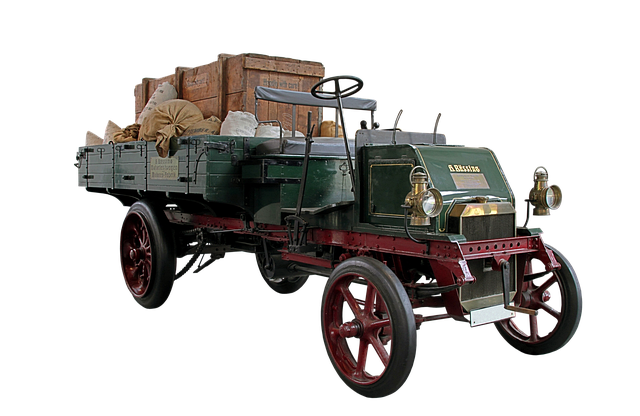
When registering your car in California, selecting the right registration class is a crucial step. The state offers various classes based on vehicle type, age, and use, ensuring efficient and accurate record-keeping. For instance, classic cars over 25 years old may qualify for special vintage plates. It’s essential to align your choice with your vehicle’s characteristics to avoid unnecessary fees or complications. Utilize a mobile VIN verifier to quickly validate your car’s history and eligibility for specific classes, streamlining the registration process.
Each registration class is associated with specific fees. California’s Department of Motor Vehicles (DMV) sets these charges, which cover administrative costs and fund road maintenance. For example, standard private vehicle registration fees range from $50 to $250, depending on factors like age and emission standards. Commercial vehicles may face higher rates. Payment can be made online, by mail, or in-person at a DMV field office. Consider the total cost early, including any additional charges for optional services or special plates, ensuring you’re prepared during the registration process.
To ensure a smooth experience, consider employing a mobile VIN inspection service prior to registration. This service, often conducted by professional inspectors using advanced technology and a mobile VIN verifier, allows for thorough verification of your vehicle’s history, including its mileage, maintenance records, and accident reports. By proactively ensuring your car meets all eligibility criteria, you can avoid delays or issues during the registration process, making it a valuable step in preparing your vehicle for California roads.
Submit Applications and Gather Additional Requirements

To register your car in California, submitting applications and gathering additional requirements is a critical step. After preparing your necessary documents, such as proof of ownership and insurance, the next phase involves using a Vehicle Identification Number (VIN) verifier to ensure the vehicle’s authenticity. A VIN inspection is crucial to verify that the car matches its recorded specifications, preventing fraud and ensuring safety.
One effective method for this process is through mobile VIN verification services. These services allow you to conduct a VIN inspection remotely, utilizing advanced technology to cross-reference the VIN with reliable databases. For instance, many online platforms now offer this service, enabling you to enter your VIN and receive instant validation. This approach saves time and effort compared to traditional methods, which often require visiting a local DMV office or hiring a professional inspector.
Additionally, it’s essential to have all necessary forms filled out accurately. The California Department of Motor Vehicles (DMV) provides specific applications for vehicle registration, and submitting them correctly speeds up the process. For example, Form DV1 is used for most new registrations, while Form DMV-123 may be required for vehicles with significant modifications or those being imported from outside the US. Always refer to the official DMV website for the latest forms and guidelines.
Before submitting your applications, double-check that all documentation is in order. This includes providing accurate vehicle specifications, proof of identity, and any fees associated with registration. Using a mobile VIN verifier early in the process can help identify potential issues, ensuring a smoother overall experience.
Receive Your Certificate of Registration and License Plate
After completing your car’s registration application, including all necessary documents and fees, you’ll need to receive your Certificate of Registration (CR) and License Plate. This crucial step finalizes your vehicle’s legal status in California. Upon submission of your application, the California Department of Motor Vehicles (DMV) conducts a thorough inspection that includes verifying the Vehicle Identification Number (VIN). For convenience, many individuals opt for mobile VIN verifiers or conduct a mobile VIN inspection to ensure everything is in order before collecting their CR and plates.
The DMV will either issue a temporary registration with temporary license plates or, if all checks are clear, provide you with a permanent set of plates. Temporary registrations are valid for a specified period, usually allowing you to operate your vehicle legally while waiting for the official CR. During this process, utilizing a mobile VIN verifier can be beneficial. These tools enable you to confirm key vehicle details, including the VIN’s accuracy and history, directly from your smartphone or tablet.
If any discrepancies are found during the inspection, such as a stolen vehicle report or accident damage not reflected in records, the DMV may require additional documentation or even deny registration. Therefore, ensuring your vehicle’s history is clean before proceeding to plate issuance is paramount. Once all checks are successful, you’ll receive your CR and license plates, allowing you to proudly display them on your vehicle.
By meticulously following these steps, from preparing essential documents to receiving your Certificate of Registration and License Plate, you’ve now unlocked the process of registering your car in California. This authoritative guide has equipped you with the knowledge to navigate through each phase confidently, ensuring a smooth and efficient experience. Remember, the key lies in verifying your vehicle’s identity using a VIN verifier, choosing the right registration class, and attending to all necessary requirements. With these insights in hand, you’re not just registered; you’re now empowered to hit the roads with peace of mind.