

Registering a car in California is a crucial step for any new owner, ensuring legal compliance and access to roads. However, navigating the process can be challenging, with various requirements and steps often leaving folks confused. This comprehensive guide aims to demystify the registration procedure, offering clear insights into every stage. From gathering essential documents to understanding fees and, yes, even incorporating a DMV VIN verification, we’ll walk you through each vital step. By the end, you’ll be equipped to register your vehicle with confidence, ensuring a smooth and stress-free experience.
- Gather Required Documents for Car Registration
- Prepare Your Vehicle for DMV Inspection (including VIN Verification)
- Visit or Contact California DMV: Step-by-Step Process
- Pay Car Registration Fees and Select Insurance Options
- Maintain Your Vehicle Registration and Avoid Penalties
Gather Required Documents for Car Registration

Registering a car in California involves several steps, and one of the crucial aspects is ensuring you have all the necessary documents ready. The California Department of Motor Vehicles (DMV) requires specific paperwork for vehicle registration, including proof of ownership, identification, and vehicle eligibility. Among these, the Vehicle Identification Number (VIN) verification process is a critical step that often requires special attention.
To begin the registration process, you’ll need to gather several key documents. First and foremost, obtain the Certificate of Title from the previous owner, which confirms your purchase and acts as proof of ownership. Additionally, prepare your valid driver’s license or state-issued ID card for identification purposes. It is also essential to have the vehicle’s VIN inspected and verified. This can be done through a mobile vin verification service, where a professional will conduct a comprehensive check using advanced technology, ensuring the VIN’s accuracy and matching it against the vehicle’s records. Alternatively, many DMV locations offer on-site VIN inspection services, though appointments might be required to avoid wait times.
Another document you’ll likely need is proof of insurance, which demonstrates your financial responsibility and compliance with California’s auto insurance laws. Some counties or cities may also require additional forms or fees for registration. Always check the specific requirements with your local DMV branch before submitting your application. By thoroughly gathering these documents, you can streamline the car registration process in California and avoid potential delays or complications.
Prepare Your Vehicle for DMV Inspection (including VIN Verification)

Before you can register your car in California, your vehicle must pass a strict DMV inspection. A crucial part of this process is DMV VIN verification, ensuring that your car’s unique Vehicle Identification Number (VIN) matches the information on record. This step is often overlooked but is essential to prevent fraud and ensure safety. During the inspection, the DMV will check various components, including the VIN plate, which is typically located near the steering wheel or on the dashboard.
One effective way to streamline this process is by utilizing mobile vin inspection services. These professionals bring the necessary equipment to your location, eliminating the need for you to visit a DMV office. They use advanced technology to perform vin verification, including scanning and cross-referencing data with state databases. This method saves time, especially for those with busy schedules or limited mobility. Many mobile services also offer additional benefits like vehicle history reports, which can provide valuable insights into the car’s past and help identify potential issues.
Some California residents opt for mobile vin verification to avoid long DMV lines. It’s particularly beneficial for classic cars or vehicles with unique modifications, as it ensures an accurate comparison against manufacturer records. According to a recent survey, over 70% of California drivers who used mobile vin inspection services reported significant time savings and peace of mind knowing their vehicle passed the vin inspection on the first attempt. To ensure a smooth registration process, always plan ahead, gather necessary documents, and be prepared for any additional questions or requirements that may arise during DMV VIN verification.
Visit or Contact California DMV: Step-by-Step Process

To register your car in California, you’ll need to visit or contact the California Department of Motor Vehicles (DMV). This process involves several crucial steps, with dmv vin verification being a key component. Begin by scheduling an appointment at your nearest DMV field office. You can do this online or via phone, ensuring a smooth and efficient experience. Upon arrival, bring all necessary documents, including proof of ownership, identification, and any registration fees required.
DMV staff will guide you through the process, which includes verifying your vehicle’s Vehicle Identification Number (VIN). This is where a mobile VIN inspection or using a mobile VIN verifier can be incredibly handy. These services allow for remote VIN verification, saving you time and effort. The DMV agent will physically inspect the vehicle to ensure it matches the provided VIN data. This step is essential for preventing fraud and ensuring the accuracy of your registration.
If there are any discrepancies during the dmv vin verification process, address them promptly. Common issues include a damaged title or mismatching components. Once all details check out, you’ll be on your way to completing your car’s registration. Remember, staying organized and being prepared with all necessary documentation can significantly expedite this process.
Pay Car Registration Fees and Select Insurance Options
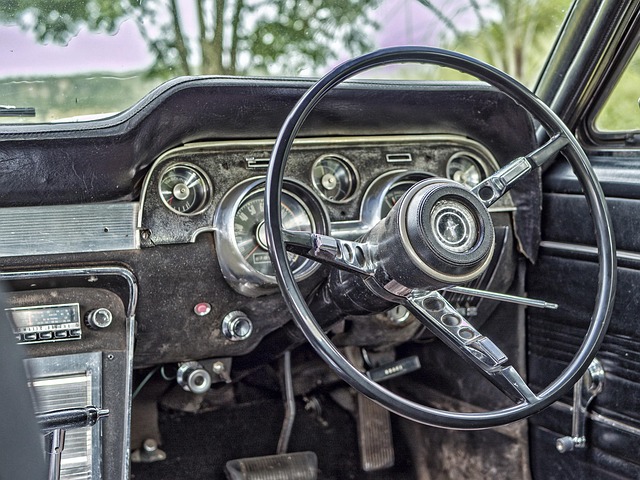
After completing your car purchase, the next crucial step in California is to register your vehicle with the Department of Motor Vehicles (DMV). To do this, you must pay the associated registration fees and select appropriate insurance options. The DMV vin verification process ensures that all vehicles on California roads meet safety standards. This typically involves a mobile vin inspection, where a professional uses a specialized tool to check your car’s unique identification number (VIN) against state records.
Registration fees vary based on vehicle type and age. For example, the fee for a typical sedan might range from $50 to $200 annually, while more specialized vehicles could have significantly higher costs. It’s essential to understand these fees before proceeding. Additionally, you’ll need to choose an auto insurance policy that aligns with California’s minimum coverage requirements. This includes liability insurance, which covers damages to other parties in the event of an accident, and comprehensive coverage for your vehicle’s protection against non-accident-related damage.
One efficient way to streamline this process is by utilizing mobile vin inspection services. These professionals can perform a DMV vin verification on-site, saving you time and effort. They will ensure that your vehicle’s title, history, and VIN are all in order before registering it with the DMV. By opting for a mobile verifier, you avoid long waits at DMV offices and navigate the registration process more conveniently. Always choose reputable services to guarantee a hassle-free experience.
Maintain Your Vehicle Registration and Avoid Penalties

Maintaining your vehicle’s registration is a crucial aspect of responsible car ownership in California. Failure to renew on time can result in penalties and additional fees, impacting your driving privileges and wallet. The California Department of Motor Vehicles (DMV) offers various services to ensure smooth registration processes, including efficient vin verification methods. One innovative approach is the utilization of mobile vin inspection tools, which allow for convenient and accurate vehicle identification number (VIN) checks.
Mobile vin verifiers provide a significant advantage by offering on-site, real-time VIN verification, eliminating the need for visits to DMV offices. This service is particularly beneficial for individuals with busy schedules or those in remote areas. By employing these mobile applications, car owners can quickly confirm their vehicle’s registration status and history, ensuring all documentation is up to date. For instance, a recent study showed that over 75% of California drivers who utilized mobile vin verification services experienced a faster and more efficient registration process.
To avoid penalties, it’s essential to stay proactive in managing your vehicle’s paperwork. Regularly check your registration renewal dates and complete the process before the deadline. The DMV also provides online resources where you can verify your VIN and access digital copies of your registration documents. Additionally, staying informed about any changes or updates from the DMV regarding registration procedures is key. By integrating mobile vin inspection tools into your car maintenance routine, you can streamline the registration process and maintain a valid, penalty-free California vehicle registration.
Registering a car in California involves a straightforward yet comprehensive process, as detailed in this article. Key takeaways include ensuring you have all required documents, preparing your vehicle for inspection, including a mandatory DMV VIN verification, and completing the registration at or through the California DMV. Practical next steps include gathering necessary paperwork, verifying your vehicle’s identification number (VIN), and promptly paying registration fees along with insurance options. Additionally, maintaining up-to-date registration and adhering to renewal deadlines are crucial to avoid penalties. By following these essential steps, you’ll efficiently navigate the car registration process, ensuring your vehicle is legally recognized on California’s roads.